Mom Knows Best Sublimation SVG: A Designer’s Review
As a professional designer who bridges the gap between digital graphics and tangible textile art, I approach every new asset with a critical eye. When evaluating the Mom Knows Best Mom Sublimation Svg, my first thought isn't just about how it looks on a screen, but how it translates into a physical, handmade product. This file package, boasting a massive 4500×5400 pixel resolution at 300 dpi in RGB color mode, presents an interesting opportunity for mixed-media creators. While primarily marketed as a sublimation and cut file resource, its high fidelity makes it a compelling candidate for hybrid embroidery projects where print and stitch combine to create premium custom apparel and personalized gifts.
First Impressions: Visual Weight and Emotional Resonance
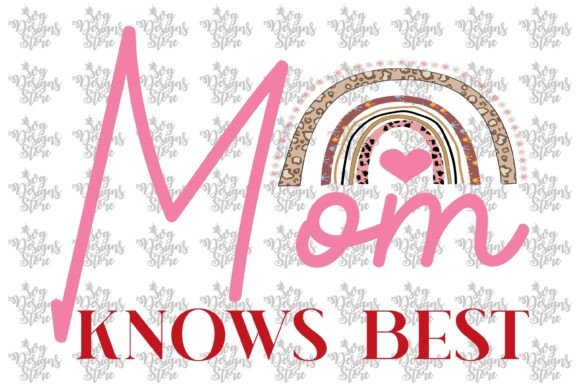
The immediate strength of this design lies in its sentimental clarity. "Mom Knows Best" is a phrase that carries inherent emotional weight, and the typography in this graphic appears balanced to support that message without feeling cliché. For an Etsy seller or small shop owner, this matters immensely. Customers aren't just buying words; they are buying a feeling. The high-resolution PNG ensures that the edges are crisp, which is vital when you are using this as a base layer for machine embroidery design work. In my initial assessment, the layout feels centered and stable, suggesting it would sit beautifully on a sweatshirt chest placement or as a central motif on a tote bag design. It avoids the chaotic clutter that often plagues novelty graphics, making it easier to pair with decorative stitching or applique design elements.
Real-World Application: The Hybrid Sweatshirt Project
To truly test the viability of this asset, I mentally walked through a recent client request: a premium Mother’s Day sweatshirt that needed to look boutique-quality rather than mass-produced. Pure sublimation can sometimes feel flat on cotton-blend fleece, while pure embroidery can be too dense for large text. This is where the Mom Knows Best Mom Sublimation Svg shines as a foundational element.
In this scenario, I utilized the high-res PNG as the background print, aligning a satin stitch border and running stitch accents directly over the digital lettering using my embroidery software. The 300 dpi resolution meant there was no pixelation when positioning the hoop size markers. The result was a textured, multi-dimensional finish that justified a higher price point. For craft business owners, this hybrid technique reduces stitch count significantly compared to full-fill lettering, saving production time while increasing perceived value. The RGB color mode also allowed for vibrant matching of thread colors to the printed ink, ensuring a seamless visual transition between the digital and tactile elements.
Navigating Fabric Choices and Stabilizer Strategy
However, versatility requires caution. Because this is a graphic-first asset adapted for textile use, your choice of fabric texture dictates success. On smooth, poly-coated substrates intended for standard sublimation, the file performs exactly as advertised. But for embroidery projects involving natural fibers like cotton tea towels or linen pillow covers, you must treat the image as a guide rather than a standalone component.
When applying this design to stretchy fabrics like jersey knits for baby embroidery or t-shirts, the risk of distortion is real. I strongly recommend using a heavy-weight cut-away stabilizer rather than tear-away to maintain registration between the printed SVG/PNG base and any overlaid stitching. If you are creating an embroidered patch using this design, ensure your backing material is stiff enough to support the density. The sheer size of the source file allows for scaling down without quality loss, but scaling up for large blankets requires checking that the anti-aliasing remains sharp. Always test on scrap fabric first; what looks perfect in a printable mockup can shift once needle penetration occurs.
Technical Considerations for Commercial Embroidery
For those integrating this into commercial embroidery workflows, understanding the file structure is non-negotiable. The included SVG and transparent PNG files are excellent for cutting machines and heat presses, but they are not native embroidery files. You cannot load these directly into a Brother, Janome, or Ricoh machine. Instead, view them as master art assets.
- Digitizing Reference: Use the high-res JPEG as a background template in your digitizing software to manually trace stitch paths. This ensures your satin stitches follow the exact curves of the original artwork.
- Color Matching: Since the source is RGB, remember that thread colors are Pantone or proprietary brand specific. Do not rely on auto-conversion tools. Manually select thread colors to match the vibrancy of the digital file.
- Licensing Verification: Before listing any finished product or digital embroidery file derived from this asset, confirm the specific license terms. Ensure you have commercial rights for both the graphic and any derivative stitched works.
- Density Checks: If adding fill stitch over the printed area, reduce density to prevent fabric puckering. Let the sublimation ink do the heavy lifting for color coverage.
Elevating Brand Consistency and Customer Trust
In the crowded marketplace of handmade goods, consistency builds trust. Using high-quality source assets like the Mom Knows Best Mom Sublimation Svg signals professionalism. When a customer receives a holiday gift or nursery decor item where the text is legible, the colors are vibrant, and the stitching is aligned, it reinforces your brand's reputation. Low-resolution sources lead to blurry prints and misaligned stitches, which result in returns and negative reviews.
This design’s clean aesthetic lends itself well to cohesive collections. Imagine expanding beyond a single sweatshirt to create a matching set including a canvas tote bag, a kitchen towel, and a coordinating baby bib. The scalability of the 4500×5400 pixel file supports this ecosystem approach. For digital product sellers offering printable mockups, the transparency of the PNG file allows for realistic previews on various garment colors, helping buyers visualize the final personalized gift before purchase.
Practical Designer Notes for Success
Before committing this design to a final production run, adhere to these professional best practices:
- Contrast Testing: View the design in black and white to ensure readability relies on shape and contrast, not just color. This is crucial for monochrome embroidery variations.
- Hoop Planning: Measure your design area carefully. While the file is large, your machine’s maximum hoop size is the hard limit. Resize proportionally within your editing software, not by stretching the image file.
- Washability Check: Sublimation ink and embroidery thread have different wash fastness ratings. Test a sample through three wash cycles to ensure neither fades prematurely, especially for items like aprons or baby clothes that require frequent laundering.
- Detail Inspection: Zoom in to 100% on the source file. If the smallest serif or decorative flourish is thinner than 1mm, it may need to be reinforced with stitching or simplified for textile reproduction.
Ultimately, the Mom Knows Best Mom Sublimation Svg is more than just a digital download; it is a versatile foundation for creative entrepreneurs. Whether you are crafting a heartfelt holiday gift or scaling a boutique apparel line, treating this graphic with the technical respect required for textile application will yield superior results. By combining the vibrancy of high-resolution digital art with the timeless charm of needle and thread, you create products that truly resonate with the end user. Just remember to verify all technical specifications and licensing details specific to your vendor before beginning your next masterpiece.