In My Hockey Mom Era SVG: An Embroidery Review
As a professional embroidery digitizer and product reviewer, I approach every new graphic asset with a specific question: will this actually stitch out well on fabric? When evaluating the In My Hockey Mom Era SVG Cut File PNG, my assessment goes beyond the screen. While this file is marketed primarily as a cut file for vinyl and sublimation, its bold aesthetic and thematic relevance make it a compelling candidate for adaptation into a machine embroidery design. For craft business owners and Etsy sellers targeting the youth sports niche, understanding how this graphic translates from pixels to stitches is essential for creating high-value merchandise.
First Impressions and Design Aesthetic
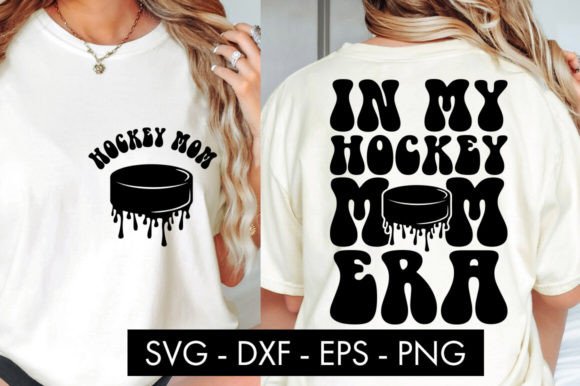
The visual personality of this design immediately strikes a chord with the current trend of nostalgic, era-based branding. The phrase "In My Hockey Mom Era" taps into a cultural moment that resonates deeply with parents currently navigating early morning practices and rink-side coffee. From a design perspective, the layout is balanced yet dynamic. The inclusion of the dripping hockey puck adds a necessary graphical anchor; without it, the text alone might feel too stark for an embroidery project.
For those of us in the Crafts category, this duality is valuable. As a Graphics asset, it serves perfectly for printable mockups or digital product previews. However, as a potential embroidery source, the bold lettering suggests excellent readability at various sizes. The mood is confident and celebratory, making it ideal for custom apparel where the wearer wants to proudly declare their role. It avoids overly cursive scripts that often plague sports embroidery, favoring legibility over ornate decoration—a crucial factor when stitching on textured fabrics like fleece or canvas.
Real-World Application: The Rink-Side Sweatshirt Test
To truly evaluate this design, I mentally placed it in a real-life scenario: creating a premium crewneck sweatshirt for a boutique specializing in hockey family gear. Hockey rinks are cold, and moms live in layers. A heavy cotton-blend sweatshirt is the perfect canvas. In this context, the In My Hockey Mom Era SVG Cut File PNG performs exceptionally well as a center-chest placement.
If adapting this for sweatshirt embroidery, I would recommend converting the main text into a combination of satin stitch borders with fill stitch interiors. This reduces stitch density compared to full satin columns, preventing the fabric from puckering while maintaining a plush, high-end feel. The dripping puck element offers a unique opportunity for texture contrast. Imagine stitching the puck in a glossy rayon thread while using a matte polyester for the text. This subtle variation elevates the finished product from a basic team shirt to a fashionable, personalized gift that customers are willing to pay a premium for.
Furthermore, this design scales beautifully for secondary items. While the sweatshirt takes center stage, the same graphic can be resized for a matching tote bag design. Canvas totes are staples for carrying gear, and the bold lines of this artwork ensure visibility even from a distance across the parking lot. For small shop products, offering this design across multiple blanks creates a cohesive collection that encourages multi-item purchases.
Navigating Fabric Challenges and Technical Limits
Despite its versatility, this design requires careful consideration regarding substrate selection. Not every fabric is friendly to detailed graphics. When planning your next commercial embroidery run, keep these technical constraints in mind:
- Stretchy Performance Fabrics: Modern hockey apparel often uses moisture-wicking knits. These are notoriously difficult to embroider. If using this design on stretchy material, you must use a heavy-duty cut-away stabilizer and potentially a topping to prevent the stitches from sinking into the weave. Test the stitch density first; if the design is too dense, it will cause tunneling.
- Curved Surfaces: Caps and beanies are popular hockey mom accessories. However, the horizontal spread of "In My Hockey Mom Era" may exceed the safe stitching area of a standard cap frame. Always verify your hoop size before committing. You may need to arch the text or stack the wording vertically to accommodate the curve without distorting the dripping puck motif.
- Small Details on Textured Fabric: If you plan to use this as an embroidered patch or on terry cloth towels, be wary of thin lines. The "drip" effect on the puck could get lost in the pile of a towel. In these cases, simplifying the graphic or adding a background fill shape behind the drip ensures clarity.
- Dark vs. Light Fabrics: This design relies on contrast. On black or navy garments (common hockey colors), ensure your thread colors pop. White or silver metallic threads work best. Avoid dark grey or navy thread on dark fabric unless you are aiming for a subtle, tone-on-tone look, which requires higher stitch definition to be visible.
Commercial Viability and Brand Consistency
For Etsy sellers and creative entrepreneurs, the value of an asset lies in its sellability. The In My Hockey Mom Era SVG Cut File PNG scores high on trend relevance, but professionalism comes from execution. Customers trust handmade products that look durable and intentional. A poorly digitized version of this file with jumping stitches or registration issues will damage your brand reputation.
When listing finished products, use the original PNG file to create crisp, accurate printable mockups. This helps buyers visualize the final result before you even thread the needle. However, always clarify in your listings that the physical item is embroidered, not printed. This distinction justifies a higher price point. Additionally, consider how this design fits your broader brand identity. Does it align with your other sports-themed offerings? Consistency in font weight and style across different "Era" designs (e.g., Baseball Mom, Soccer Mom) builds a recognizable brand that fosters repeat business.
Essential Designer Notes Before Stitching
Before you load this design into your machine or list it in your shop, adhere to these practical checkpoints to ensure success:
- Verify Licensing: Confirm whether your purchase of the In My Hockey Mom Era SVG Cut File PNG includes commercial rights for embroidery. Some licenses cover vinyl cutting but restrict digitizing for resale. Protect your business by checking terms explicitly.
- Digitize Specifically for Embroidery: Do not rely on auto-digitizing software to convert this SVG directly. The dripping puck requires manual pathing to ensure smooth curves. Auto-digitizing often creates jagged edges on organic shapes like drips.
- Test on Scrap Fabric First: Never stitch a new design directly onto a client’s garment. Run a test on a scrap of the exact fabric and stabilizer combination you intend to use. Check for puckering, thread breaks, and alignment.
- Review Stitch Density: Ensure the design isn't too dense for the intended application. A tote bag can handle higher density than a lightweight baby onesie. Adjust underlay stitches accordingly to provide stability without bulk.
- Check Thread Color Contrast: View your digital embroidery file in black and white mode within your software. If the design loses definition without color, the contrast between elements is insufficient. Adjust stitch angles or add outlines to improve separation.
- Confirm Hoop Size Compatibility: Measure the actual stitch area against your available hoops. Remember that the maximum design size listed in software often excludes the space needed for the hoop's gripping mechanism. Leave a safety margin.
Ultimately, the In My Hockey Mom Era SVG Cut File PNG is more than just a trendy graphic; it is a versatile foundation for meaningful, profitable embroidery work. By approaching it with a technician’s eye and a designer’s creativity, you can transform this digital asset into tangible products that hockey moms will cherish throughout the season. Whether you are crafting a personalized gift for a friend or stocking your online store for the winter rush, respecting the interplay between digital art and physical thread is what separates hobbyists from professionals.